If you are staring at your car and wondering where you can sell it for the most money, you are not alone. Between private buyers, dealers, online car buyers, and local cash‑for‑cars services, it is easy to leave hundreds or even thousands of dollars on the table.
In this guide, we walk through the main ways to sell a car, what each option is really good for, and how to squeeze the best possible offer out of the market, whether your car is newer, high mileage, or all the way to "junk" territory.
If you are in Utah and trying to get rid of an old or problem vehicle, this will help you decide where your car fits and how to walk away with the most cash.
Start With Your Goal And Your Car’s True Value
Before we decide where to sell, we need to be clear on two things:
- What matters most to us: maximum money, speed, or convenience.
- What our car is actually worth in the real world, not just what we hope it is worth.
If we skip this step, we either overprice the car and waste time, or underestimate it and give it away.
Understand How Condition, Mileage, And Title Status Affect Price
Buyers pay for risk. Anything that increases risk (or hassle) lowers price:
- Mechanical condition
A car that runs well, with no warning lights and a clean inspection, will bring the most money from private buyers and online platforms. A car that needs major engine or transmission work usually drops into wholesale, auction, or junk buyer territory.
- Mileage
Higher miles usually mean lower value, even if the car runs well. Once you cross common thresholds like 100k, 150k, or 200k miles, some buyers simply move on, which limits what you can ask.
- Cosmetic condition
Dents, faded paint, and torn seats may not bother a mechanic, but they absolutely affect what a regular buyer will pay. Light cosmetic issues are usually worth fixing only if you are selling privately at the top of the market.
- Title status
A clean title brings the most money. A salvage, rebuilt, or branded title can knock value down significantly and scare away bank‑financed buyers. If the title is lost or in someone else's name, that also shrinks your buyer pool until it is corrected.
- Running vs non‑running
A non‑running or badly damaged car is almost never worth retail. For these, local junk car buyers, recyclers, or cash‑for‑cars services often beat what a dealer or online car listing will realistically bring.
Use Online Valuation Tools To Set A Realistic Price Range
To get in the right ballpark, we like to use multiple sources and compare:
- Kelley Blue Book (KBB)
- Edmunds
- NADA Guides
- Facebook Marketplace and local classifieds for real asking prices
Enter the exact trim, mileage, and condition as honestly as possible. Look at:
- Trade‑in value
- Private party value
- "Fair" vs "Good" vs "Excellent" condition ranges
The number we actually care about is a range, not a single figure. For example:
- Private party range: 7,500 to 9,000
- Trade‑in range: 5,800 to 6,500
Now we can ask: are we willing to do the extra work a private sale takes to try for that extra 1,500 to 2,000, or is a quick sale worth the difference? That answer will point us to the right selling method.
Private Party Sale: Usually The Highest Price, But More Work
Selling directly to another person is often where we can get the most money, especially for clean, reliable vehicles that are not too old.
Pros And Cons Of Selling Your Car Privately
Pros
- Highest potential sale price
- Full control over the price, timing, and buyer
- Great for well‑maintained, popular models with clean titles
Cons
- Takes time to photograph, list, answer messages, and show the car
- We deal with no‑shows, lowball offers, and tire‑kickers
- Safety risks when meeting strangers or handling large payments
- We must manage all the paperwork ourselves
If we want top dollar and we are not in a rush, a private sale is usually the answer.
If the car has major issues, a salvage title, or will not pass inspection, private buyers often pull back fast, and other options start looking better.
How To Attract Serious Buyers And Avoid Time‑Wasters
The quality of our listing controls the quality of buyers we attract. A strong private sale listing usually includes:
- Clear, bright photos from multiple angles, inside and out
- Honest description of condition, recent repairs, and known issues
- Accurate VIN, mileage, and trim level
- Cold‑start details if buyers are worried about mechanical health
To filter time‑wasters, we can:
- Ask buyers to confirm they have cash or financing ready before a test drive
- Politely let lowball offers know we are firm within a fair range
- Set clear boundaries on meeting times and locations
A serious buyer will usually ask specific questions and move quickly to see the car.
Safety, Payment, And Paperwork Tips For Private Sales
For safety and to protect our money, we should:
- Meet in a public place, ideally near a bank or police station
- Go on test drives with the buyer and hold onto the keys and title
- For payment, favor a bank cashier's check verified at the branch, or cash deposited while we are there
On paperwork, check Utah DMV rules if we are local, or our state's DMV site elsewhere. Typically we will need:
- A properly signed title
- A bill of sale
- Odometer disclosure on newer vehicles
- Notice of sale or release of liability form
Handling this cleanly avoids headaches like tickets or tolls showing up in our name after the car is gone.
Online Marketplaces And Car Listing Sites
Online platforms let us reach far more buyers than a simple yard sign ever could.
General Marketplaces Versus Auto-Focused Platforms
We usually think in two buckets:
- General marketplaces
Facebook Marketplace, Craigslist, KSL Classifieds in Utah, and similar sites. These have huge local audiences but also more scammers and time‑wasters.
- Auto‑focused platforms
Autotrader, Cars.com, CarGurus, and similar sites. These attract more serious car shoppers who are actively comparing models and prices.
General marketplaces can move a cheap car or older beater quickly. Auto‑focused sites tend to work better for newer, higher value cars where buyers are willing to travel a bit.
Optimizing Your Online Listing For Maximum Offers
To stand out and get top dollar online, we focus on three things:
- Pricing strategy
- Start slightly above the middle of your target range so you have room to negotiate.
- Avoid obviously inflated prices that make your ad look unrealistic.
- Listing quality
- Use at least 10 to 15 clear photos. Include close‑ups of any damage so buyers trust you.
- Write a real description, not just "runs great." Mention maintenance history, tires, brakes, and any upgrades.
- Response speed
- Reply quickly to serious inquiries.
- Have a simple set of answers ready about maintenance, accidents, and why you are selling.
The better prepared we look, the more confident buyers will be, and the less they will feel the need to "price in" risk by lowballing us.
Instant Cash Offer Sites And Online Car Buyers
Instant cash offer sites trade maximum dollars for speed and convenience. They are worth considering when we want the car gone soon and are okay leaving some money on the table.
How Instant Offers Work And What Affects The Quote
Most online car buyers follow the same basic steps:
- We enter VIN, mileage, options, and condition.
- The site checks market data, auction results, and its own buying criteria.
- We receive a guaranteed or semi‑guaranteed offer, sometimes subject to inspection.
- If we accept, they arrange pickup or send us to a local partner.
The quote is affected by:
- Accuracy of condition we report
- Clean vs branded title
- Demand for that model at auctions
- Regional price trends
If a car is clean and in demand, these sites can get close to trade‑in value. If the car needs major work, the offer can feel harsh compared to what we hoped.
When Selling To Online Buyers Makes The Most Sense
From what we see, instant cash offers are a good fit when:
- We have a newer car but no time or interest in a private sale
- We want a clear, no‑hassle number to compare against dealer trade‑in
- The car is safe and roadworthy but has enough negative history that private buyers get nervous
For very old, high‑mileage, or non‑running vehicles, national online buyers often give very low quotes because they are thinking wholesale and transport costs. In Utah, those are usually the cars where a local junk car buyer like us at Junk Car Cash Out can often match or beat those numbers with less hassle, especially for vehicles that are not worth retailing anymore.
Dealership Trade-In: Fast And Easy, But Usually Less Money
Trading a car in at a dealer is rarely the way to get the absolute highest number, but it can still be the smartest move in the right situation.
How Dealers Calculate Trade-In Value
Dealers think in terms of risk and resale. When they value your trade, they are looking at:
- What they could get for your car at auction tomorrow
- The cost to recondition it for their lot
- How long it might sit before selling
Your trade‑in offer usually sits somewhere around auction value minus their costs and profit margin. That is why the number is almost always lower than private party value.
But, when we are buying another car, dealers can move money around. They might:
- Offer a little more for our trade while discounting less on the new car
- Offer less on the trade but more off the new car price
We care about the total difference we pay or receive, not just the trade number.
When A Trade-In Can Still Be The Smart Financial Move
A trade‑in starts to make sense when:
- We are already buying another car from that dealer
- We value saving time and effort more than squeezing every last dollar
- Our car is hard to sell privately because of age, mileage, or cosmetics, but still runs
In some states, trading in can reduce the taxable price of the new car, which effectively boosts the value of the trade. It is worth doing the math both ways to see the real net cost.
If a dealer offers a very low number because the car is too rough or has a salvage title, we often see sellers get more by going to a local cash‑for‑cars or junk buyer instead.
Local Car Buyers, Auctions, And Specialty Options
Not every car fits neatly into "sell privately" or "trade it in." Some are better suited to local buyers, auctions, or niche specialists.
Local Cash-For-Cars Buyers And Car Flippers
Local cash‑for‑cars buyers and small car flippers fill an important gap in the market. They are ideal for cars that are:
- Very high mileage
- Rough cosmetically
- Non‑running or barely running
- Holding salvage or rebuilt titles
At Junk Car Cash Out here in Utah, for example, we regularly buy vehicles that private buyers and dealers do not want to touch. We look at:
- Scrap metal value
- Parts value
- Repair cost versus resale value
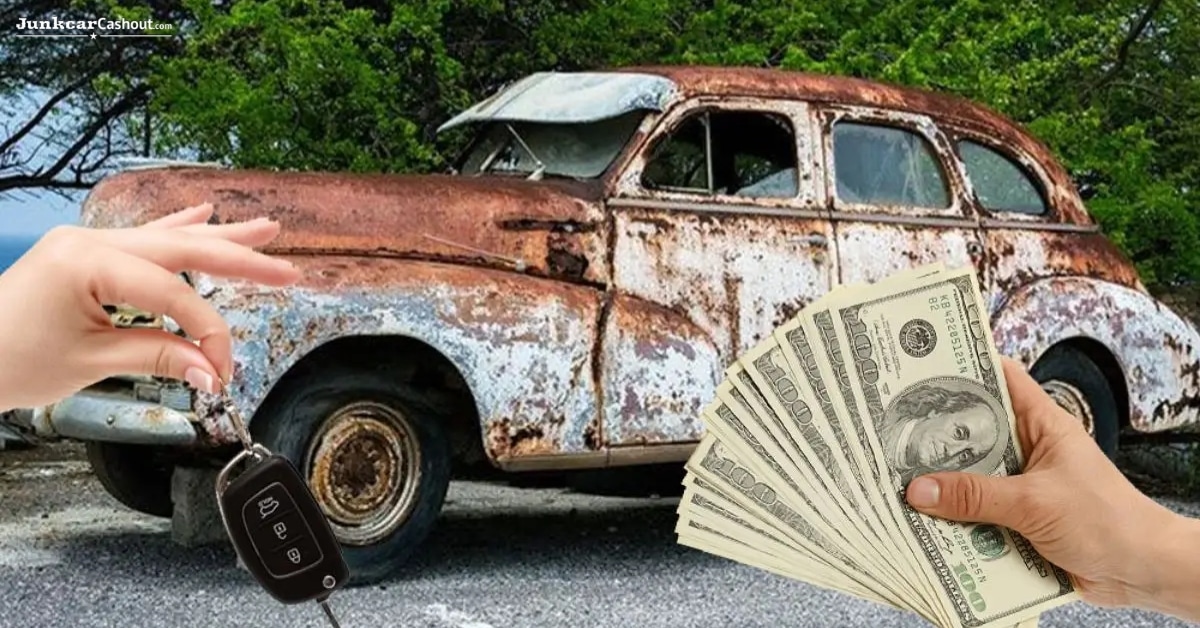
If the car is truly at the end of its life, the best place to sell for the most money is often a trusted local junk car buyer. While the number will not match retail for a clean car, it can beat what you would get from a dealer or online listing for a non‑running or severely damaged vehicle.
Public Auctions, Consignment, And Specialty Dealers
For certain vehicles, taking them to auction or a consignment lot can work:
- Public auctions can be decent for rough but running cars if there is a good local buyer base. The catch is that you have less control over the final price.
- Consignment lots list and sell the car for you, usually for a percentage fee. This can get a higher price while offloading the work, but it is not instant.
- Specialty dealers focus on specific brands or vehicle types, like trucks or sports cars. They sometimes pay more for clean examples they know they can sell quickly.
Luxury, Classic, And Modified Cars: Where To Get Top Dollar
If we are dealing with something special, we want buyers who actually understand it:
- Luxury and high‑end performance cars often sell best on enthusiast forums, specialty brokers, or high‑end dealers who have that clientele.
- Classic cars do better with classic car clubs, dedicated online marketplaces, or auctions that focus on collector vehicles.
- Heavily modified cars can be tricky. General buyers usually see mods as risk, not value. Enthusiast communities, local meets, and forums are where we are most likely to find someone who appreciates the build and will pay for it.
In short, the more unique the vehicle, the more it pays to seek out the right niche rather than throw it into a general marketplace.
Strategies To Get The Highest Offer No Matter Where You Sell
Regardless of where we end up selling, a few smart moves almost always increase the final number.
Prep, Repairs, And Detailing That Actually Pay Off
Not every repair is worth doing before a sale. We focus on fixes that clearly improve either safety or first impression:
Worth considering:
- Cheap cosmetic touch‑ups that make photos pop
- Fixing obvious safety issues like bald tires or broken lights
- A professional detail or at least a deep clean inside and out
Usually not worth it right before selling:
- Major engine or transmission work on an older high‑mileage car
- Expensive paint and body work on a car already near wholesale value
For junk or non‑running cars, we often recommend skipping repairs entirely. In Utah, many owners simply call us, get a straight cash offer based on as‑is condition, and avoid throwing good money after bad.
Timing The Market And Leveraging Competing Offers
Timing matters more than most people think:
- Tax refund season often boosts demand at lower price points.
- Spring and early summer are strong months for car sales in many regions.
- Trucks and SUVs tend to move better before winter in snowy areas like northern Utah.
We can also use offers to our advantage:
- Get a trade‑in quote, an instant online offer, and a local cash‑for‑cars quote.
- Use the highest one as leverage when negotiating with the others, as long as we are honest about what was offered.
Sometimes just mentioning that we already have a competing offer prompts a buyer to sharpen their pencil.
Negotiation Tactics That Add Extra Money To Your Sale Price
A few simple habits make negotiations smoother and more profitable:
- Know your walk‑away number before any meeting. If an offer falls below that, we politely decline.
- Price with room to move, but not so high that serious buyers do not bother contacting you.
- Stay calm and factual. Do not argue. Point to maintenance records, recent work, and comparable listings.
- Use silence. Once you state your price or counteroffer, stop talking. Let the buyer think. People often bid against their own silence.
When we negotiate from a place of preparation instead of emotion, we tend to walk away with more money and less stress.
Frequently Asked Questions
Where can I sell my car for the most money overall?
In most cases, you’ll get the most money through a private party sale or a strong online listing on platforms like Facebook Marketplace, Autotrader, or Cars.com. These methods take more time and effort, but clean, well‑maintained cars with clear titles usually bring the highest offers.
How do I decide where to sell my car for the most money based on its condition?
Start by honestly assessing mechanical condition, mileage, cosmetic issues, and title status. Newer, clean cars do best with private buyers and auto‑focused sites. High‑mileage, rough, or branded‑title vehicles often bring more from local cash‑for‑cars buyers, junk car services, or auctions than from dealers or private buyers.
Is a dealer trade‑in ever the best way to sell my car for the most money?
A trade‑in usually pays less than a private sale, but it can still be smart when you’re already buying another car, value convenience, or your car is hard to sell privately. In some states, tax savings on the new car can effectively boost your trade‑in’s real value.
What is the best place to sell a non‑running or junk car in Utah?
For non‑running, severely damaged, or end‑of‑life vehicles in Utah, local junk car buyers and recyclers often pay more than dealers or national online buyers. They price based on scrap and parts value and typically offer quick, as‑is cash deals with towing included, making the process fast and low‑hassle.
How can I get the highest offer no matter where I sell my car?
Clean the car thoroughly, fix cheap safety and cosmetic issues, and gather maintenance records. Use multiple valuation tools, then get quotes from dealers, instant‑offer sites, and local buyers. Start pricing slightly above your target, know your walk‑away number, and use competing offers as leverage when negotiating.
Where can I sell my car for the most money if I need to sell fast?
If you need speed and still want solid value, compare instant cash offer sites with dealer trade‑ins and local cash‑for‑cars buyers. Clean, newer cars often get close to trade‑in value online. Rough or high‑mileage vehicles usually bring better fast cash from local junk car buyers than from dealers.
Final Thoughts on Maximizing Your Car Sale Profit
In the end, the best place to sell your car for the most money depends on the car itself and what you value.
- Clean, reliable vehicles usually bring top dollar through a well‑managed private sale or strong online listing.
- Newer cars with busy owners often make sense for instant cash offer sites or a carefully negotiated trade‑in.
- Rough, non‑running, or very old vehicles are often worth the most to local junk car buyers and recyclers who understand how to pull value from them.
If you are in Utah and sitting on a car that is too much trouble to fix or sell privately, that is exactly what we handle every day at Junk Car Cash Out. We look at the real value of your vehicle in our local market and give straightforward cash offers so you can move on quickly and confidently.
Key Takeaways
- To figure out where you can sell your car for the most money, first define whether you care more about top dollar, speed, or convenience and then get a realistic value range using multiple pricing tools.
- Private party sales and strong online listings usually pay the most for clean, reliable cars, but they demand more time, effort, and attention to safety and paperwork.
- Instant cash offer sites and dealership trade-ins trade some money for speed and simplicity, making sense for newer cars when you want a quick, low-hassle sale.
- Local cash-for-cars and junk car buyers often pay the most for high-mileage, rough, or non-running vehicles that dealers and private buyers do not want, especially in markets like Utah.
- Simple prep work—detailing, minor cosmetic fixes, smart pricing, and firm but calm negotiation—can add hundreds or even thousands to what you get no matter where you sell your car.